Precious Care ABA

Transform Lives with Comprehensive Registered Behavior Technician Training

Registered behavior technician training has become essential as demand for skilled paraprofessionals grows. According to the US Bureau of Labor Statistics, jobs for psychiatric technicians and aides are projected to increase nine percent through 2031. Registered behavior technician training prepares individuals to deliver applied behavior analysis services under the supervision of a Board Certified Behavior […]


How Much Is ABA Therapy Out of Pocket?

The cost of Applied Behavior Analysis (ABA) therapy can vary depending on several factors, including location, the severity of the child’s needs, and whether the therapy is conducted at home, in a clinic, or at school. On average, out-of-pocket expenses for ABA therapy can range from $120 to $200 per hour. For families who need […]

How Do You Know If Your Child Is Not Autistic?

Identifying whether a child is on the autism spectrum can be complex, as autism manifests differently in each individual. However, there are some key signs to consider when evaluating whether a child may not be autistic. Children without autism generally exhibit typical social communication and interaction skills for their age. They engage in back-and-forth conversations, […]

Do Autistic Kids Live with Parents Forever?

The question of whether autistic children will live with their parents forever is complex and depends on individual circumstances. Autism is a spectrum, and each person has unique strengths, challenges, and needs. Many autistic individuals can develop the skills necessary to live independently or with minimal support as they grow older. However, some may continue […]

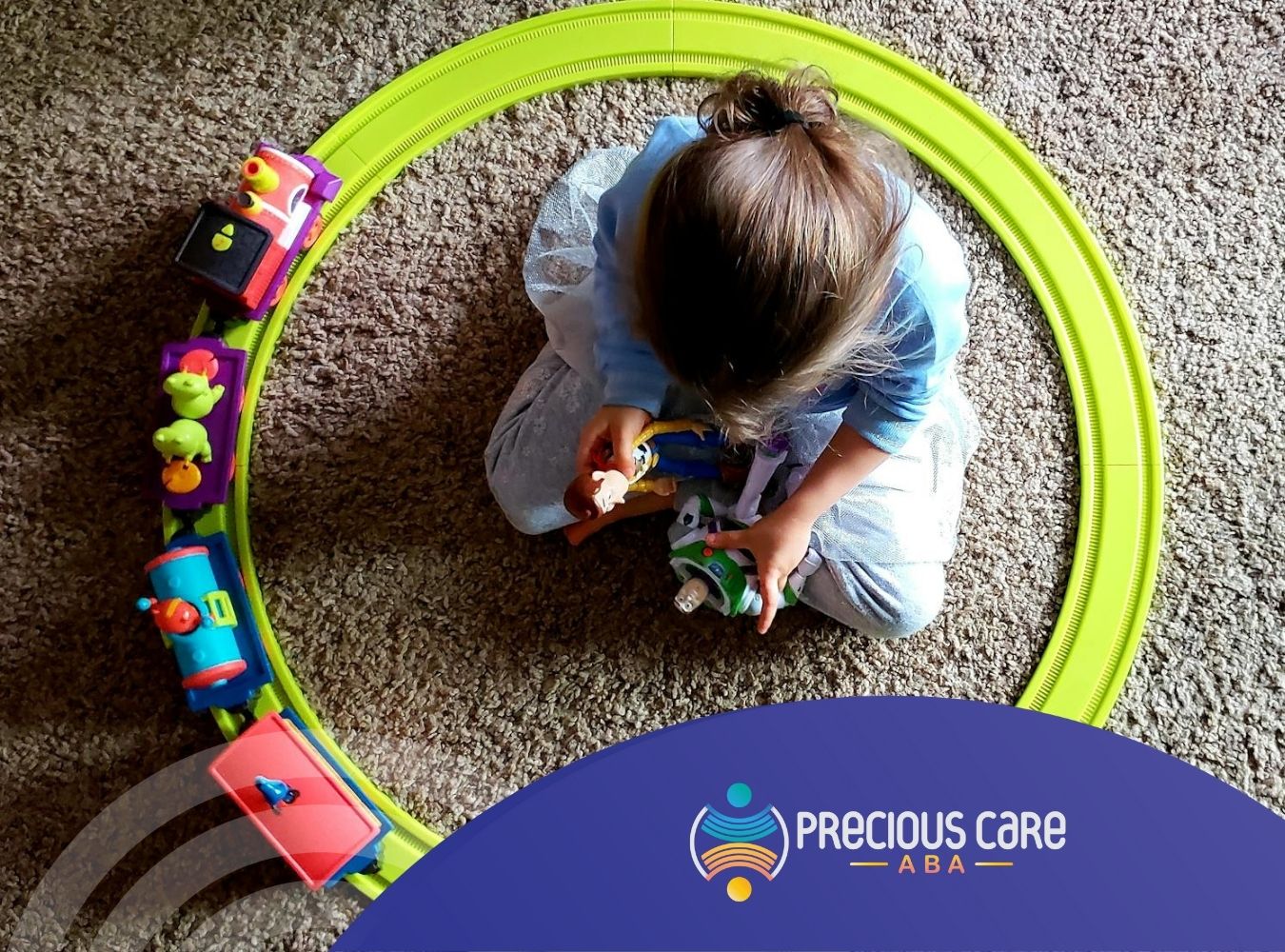
Why Do Autistic People Like Trains?

Many autistic individuals are drawn to trains due to their predictable nature and sensory appeal. Trains operate on a fixed schedule and follow a set route, which can provide comfort and stability for those who thrive on routine and structure. The repetitive motion and rhythmic sounds of trains can also have a calming effect, which […]

Are Autistic Kids Very Attached to Their Parents?

Yes, autistic kids can be very attached to their parents, though the way they show it might look different from neurotypical children. Autism affects social communication and expression, so while an autistic child may deeply love and rely on their parents, they might not always show it through typical gestures like hugs, eye contact, or […]

Essential Rigid ABA Therapy Techniques for Children with ASD

Applied Behavior Analysis has long stood as a cornerstone in interventions for autism spectrum disorder. Rigid ABA therapy techniques, in particular, focus on highly structured protocols and clear benchmarks for skill acquisition. The original UCLA Young Autism Project model treated children intensively for up to 40 hours per week, and nearly 47 percent of participants […]

How Natural Environment Teaching ABA Benefits Children with ASD

When learning opportunities feel like play, children with autism spectrum disorder often show stronger engagement and better retention. Natural environment teaching in ABA integrates skill building directly into everyday activities, making therapy more intuitive and relevant. This approach moves away from repetitive drills at a table and brings teaching moments into settings where behaviors naturally […]

What They Don’t Tell You About RBT Supervision Requirements

Many families, educators, and therapy professionals often assume that RBT supervision requirements are straightforward. Here is what they rarely hear. These rules shape how Registered Behavior Technicians deliver safe, effective applied behavior analysis. This article clarifies the monthly hour rules, supervisor credentials, observation standards, and common myths surrounding these requirements. It draws on the Behavior […]

What Does Stimming Mean in Autism?

Stimming refers to repetitive behaviors or movements that are often seen in individuals with autism spectrum disorder (ASD). The term comes from “self-stimulatory behavior” and can include actions such as hand-flapping, rocking back and forth, repeating words or phrases, or making repetitive noises. Stimming serves various purposes for individuals with autism. It can be a […]