
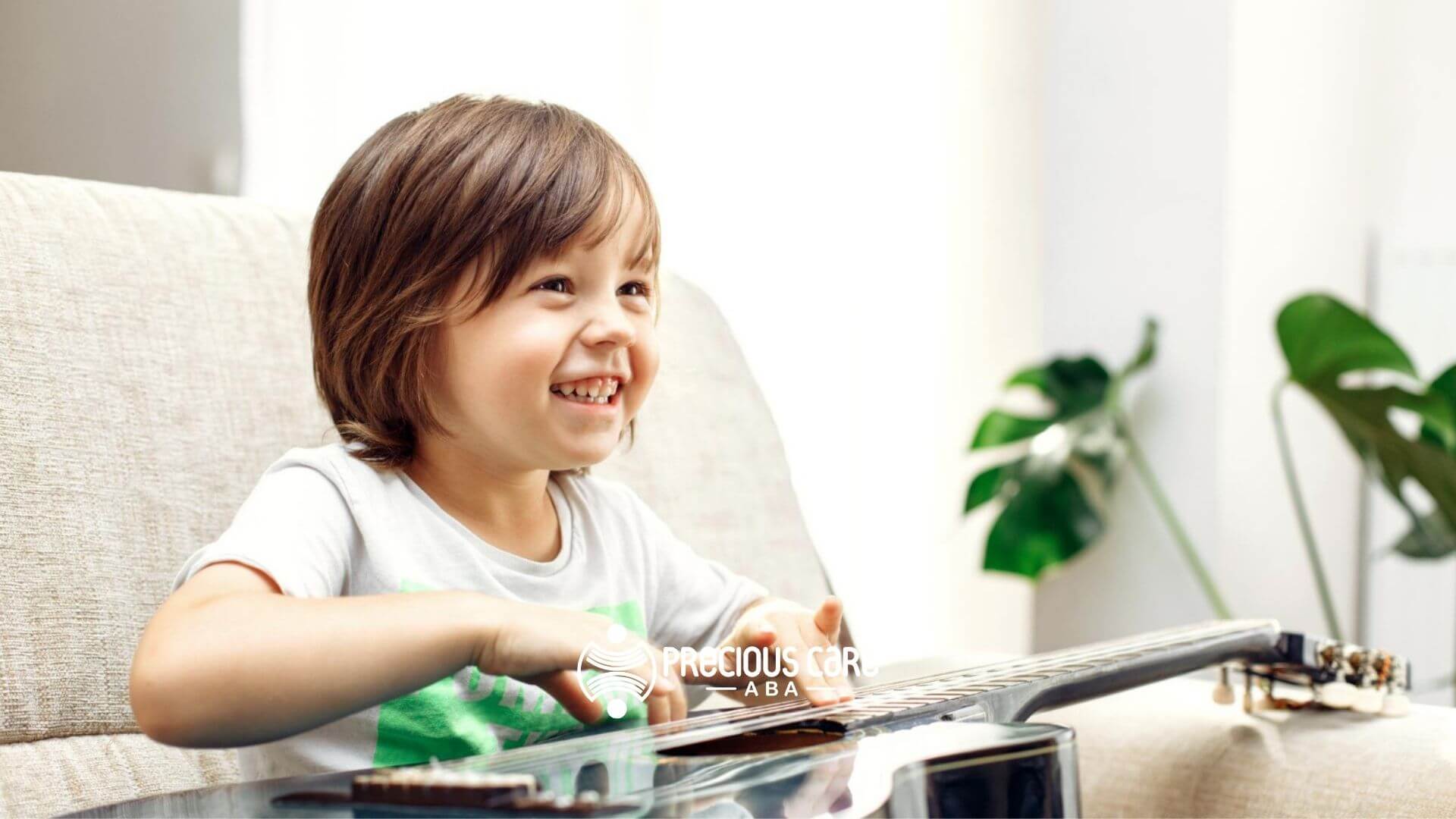
When people wonder what someone “with autism behaves like,” it’s important to know there’s no single type of behavior. Autism spectrum disorder (ASD) affects everyone differently — which means no two people on the spectrum are exactly alike. Some may be outgoing and energetic, while others might be quiet and reserved. Each person has their own way of thinking, communicating, and interacting with the world.
Understanding Autism Behaviors
Autism affects how people understand and respond to their surroundings. These behaviors aren’t “bad” or “wrong” — they’re simply different ways of coping, learning, and expressing emotions.
Common autism-related behaviors include:
- Communication differences: Some individuals may use few or no words, while others speak fluently but find social conversation challenging.
- Repetitive movements: Hand-flapping, rocking, spinning, or tapping can be ways to self-soothe or focus.
- Repetition in speech: Some repeat words or phrases (called echolalia) to process language or communicate needs.
- Strong focus on routines: Predictability provides comfort. Sudden changes may cause anxiety or frustration.
- Deep, specific interests: Many autistic people have passionate interests — from dinosaurs to technology to music — and love sharing what they know.
- Sensory sensitivities: Bright lights, loud noises, or certain textures might feel overwhelming, while others may seek strong sensations like spinning or touching soft fabrics.
- Unique ways of playing: Instead of pretending, some children line up toys, sort objects, or explore textures.
- Differences in social interaction: Some prefer alone time or struggle to make eye contact, while others want friends but find social cues confusing.
- Emotional regulation challenges: Meltdowns or shutdowns can happen when someone feels overloaded or unable to express what they need.
- Strong attention to detail: Many people with autism notice small patterns, sounds, or visual details that others might miss.
These behaviors are part of who they are — meaningful, purposeful, and unique to each individual.
Support Makes a Difference
With the right understanding and support, people with autism can build communication, social, and coping skills that help them thrive in daily life.
Precious Care ABA provides compassionate, personalized support through in-home ABA therapy and ABA therapy at daycare — helping children learn and grow where they’re most comfortable.
We proudly serve families in New Jersey and Utah, offering trusted care that meets each child where they are.
Reach out today to discover how the right therapy and guidance can make every milestone possible.
FAQs
Do all people with autism behave the same way?
No. Autism is a spectrum — meaning behaviors and traits vary widely from person to person.
Why do some people with autism repeat movements or words?
These behaviors often help with self-regulation, focus, or communication. They’re not “bad habits” but important coping tools.
Can people with autism learn to manage challenging behaviors?
Yes. With patience, support, and consistent strategies, children and adults can learn skills to handle stress, communicate better, and build confidence.
Sources:
- https://www.autismparentingmagazine.com/pattern-recognition-autism/
- https://www.cdc.gov/autism/signs-symptoms/index.html
- https://www.ncbi.nlm.nih.gov/books/NBK525976/
- https://www.kennedykrieger.org/stories/interactive-autism-network-ian/challenging-behaviors
https://www.who.int/news-room/fact-sheets/detail/autism-spectrum-disorders
