
Key Highlights
- Preparing a child on the autism spectrum for air travel involves social stories, visual schedules, and practice runs to reduce anxiety.
- Packing comfort items, sensory-friendly gear, and familiar snacks helps meet special needs and manage sensory sensitivities.
- Programs like TSA Cares and Wings for Autism offer crucial support for families navigating airport security.
- Clear communication with airlines about accommodations can ease the travel experience.
- Developing a safety plan and practicing flexible routines ensures a smoother journey for the entire family.
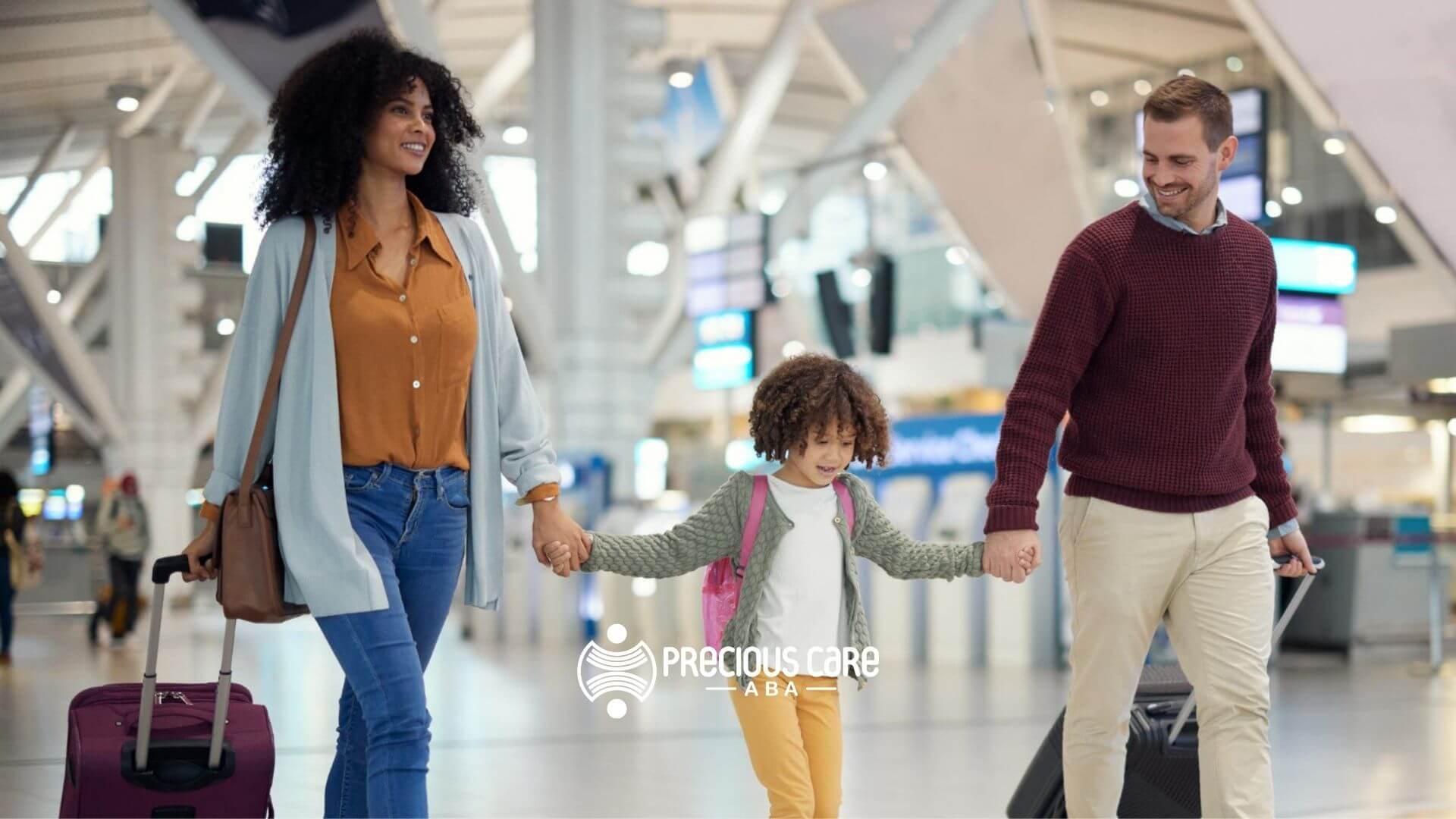
Traveling with a child on the autism spectrum can be both exciting and challenging. The thrill of a vacation or visiting family is often overshadowed by the anxiety of navigating airports and unfamiliar environments. But it doesn’t have to be this way. With proper preparation, you can create a positive travel experience for your child and yourself.
I remember working with a family whose child, Skylar, had difficulty transitioning from one activity to the next in in-home ABA therapy, and the idea of flying seemed like an insurmountable challenge. However, with a detailed visual schedule and practice runs to the airport, Skylar and her family had a smooth journey. These kinds of preparations make a world of difference.
Let’s dive into some practical tips that can help you make your next trip a success!
Preparing Your Autistic Child for Air Travel
Air travel is a big change for any child, but it can be particularly overwhelming for children with autism. As an ABA therapist, I’ve seen firsthand how early preparation can make a huge difference. A great starting point is introducing your child to what’s coming ahead of time. This might include social stories, visual schedules, or practice runs.
Discussing the Travel Plan with Your Child
Start by talking about the trip well in advance. I often recommend using visuals—like pictures or simple drawings—of airplanes, airports, and the steps involved in flying. When I worked with a family preparing for their first flight, we created a simple picture schedule. They showed their child pictures of the airport, the plane, and what would happen at each step—security, boarding, and the flight itself. This helped the child feel more comfortable and less anxious about the unknown.
Ask your child how they feel about each part of the trip. Do they seem excited, worried, or confused? Honest conversations, even if your child can’t fully express their feelings, help them feel included and prepared.
Quote from Dr. Jennifer K. Carlson: “Children with developmental disabilities benefit from knowing what’s ahead. Preparation builds confidence and reduces stress.”
Using Visual Schedules and Social Stories
A visual schedule is an excellent tool for preparing for air travel. These schedules break down the trip into small, manageable steps, and I’ve seen them work wonders in reducing anxiety for many children I’ve worked with.
You can make the schedule by including images of real locations and people your child will encounter, like the airport or TSA officers. This gives them a clear picture of what to expect and helps alleviate any surprises.
Tip: Laminate the schedule and keep it in your child’s backpack or with their favorite comfort item, like a stuffed animal or blanket. This makes the schedule accessible whenever your child needs reassurance.
Packing Essentials and Comfort Items
Packing the right items is a huge part of making your child feel safe and comfortable during the trip. Consider your child’s sensory sensitivities and any other needs they might have.
Choosing Sensory-Friendly Travel Gear
When traveling with children on the autism spectrum, sensory overload is a common issue. I’ve worked with families whose children struggle with loud noises, crowded spaces, or bright lights at the airport. To help manage this, I recommend noise-canceling headphones—these are a game-changer for many of the kids I work with. They can block out the overwhelming sounds of airports and planes.
Soft clothing with no tags, breathable fabrics, and elastic waistbands can help your child feel more comfortable. Sunglasses or hats can also help reduce discomfort from harsh lighting in terminals or on the plane.
Here are some items I suggest packing:
- Noise-canceling headphones or earplugs
- Weighted lap pads or vests for comfort and grounding
- Soft, breathable clothing
- Fidget toys to help with tactile needs
Personal Example: A parent I worked with swore by a small sensory brush that helped their child calm down during the flight. It provided a familiar, soothing sensation, which helped manage the sensory overload.
Packing Familiar Comfort Objects and Snacks
One of the simplest but most effective ways to ease your child’s anxiety is packing familiar items. Whether it’s a beloved stuffed animal, a favorite blanket, or a tablet loaded with games, these items can provide comfort in unfamiliar settings.
It’s also crucial to pack snacks your child enjoys—this can prevent meltdowns triggered by hunger or a lack of options. Ensure that the snacks meet any dietary restrictions or preferences your child may have.
Navigating Airports with an Autistic Child
Airports are busy, noisy places, and for many children on the autism spectrum, this environment can be overwhelming. Preparing your child for what to expect at the airport can make a big difference.
Preparing for TSA Screening and Security
Navigating the TSA security checkpoint is often one of the most stressful parts of air travel. However, programs like TSA Cares can help reduce the anxiety for families. I’ve seen families benefit from contacting TSA Cares in advance—they provide support to families of travelers with developmental disabilities.
Before your trip, you should:
- Notify TSA Cares at least 72 hours ahead of your flight.
- Prepare documentation, like a TSA notification card or doctor’s letter outlining your child’s needs.
- Request assistance at the checkpoint, such as having a Passenger Support Specialist to help guide you.
Table for Key TSA Cares Steps:
| Step | Action |
| Notify TSA Cares | Call or email TSA to notify them of your child’s needs. |
| Prepare Documentation | Carry a TSA notification card or doctor’s letter. |
| Request Assistance | Ask for a Passenger Support Specialist if needed. |
| Stay Together | Ensure your child remains with you throughout the process. |
Tips for Managing Wait Times and Transitions
Long wait times and sudden transitions can make children with autism anxious. Some helpful strategies include:
- Bring distractions: Small toys, coloring books, or puzzles can help pass the time.
- Use a visual timer: This gives your child a sense of how long they will need to wait.
- Take breaks: Find quiet spots or use the restroom if your child needs a change of scenery.
Working with Airlines and Travel Programs
Many airlines now offer accommodations for passengers on the autism spectrum. It’s important to reach out to the airline before booking your tickets to discuss your child’s needs. I’ve worked with parents who have benefited from early boarding or reserved seating, which gave them more time and space to get settled before the flight.
Notifying Airlines and Requesting Accommodations
When booking your tickets, let the airline know about your child’s specific needs. Ask for accommodations such as:
- Early boarding to avoid the rush.
- Seats that suit your child’s needs (like an aisle or window seat).
- Assistance during the flight, including help with boarding or deplaning.
Special Airline and Airport Support Programs
Programs like Wings for Autism® and American Airlines’ “It’s Cool to Fly American” allow families to practice the airport and flight experience before traveling. These programs help children become familiar with the steps involved, reducing anxiety.
Managing Sensory Overload and Meltdowns During Travel
No matter how much preparation you do, meltdowns or sensory overload can still happen. Having a safety plan and knowing how to manage these moments is key.
Strategies to Prevent Sensory Overwhelm
Prevent sensory overload by planning ahead. Limit time in crowded areas, choose flights during quieter times, and bring along sensory tools like noise-canceling headphones or fidget toys.
Calming Techniques for Meltdowns and Anxiety
If a meltdown occurs, stay calm. Use calming techniques like deep breathing or listening to soothing music. Offering familiar comfort items can also help your child regain their sense of security.
Conclusion
Traveling with a child on the autism spectrum doesn’t have to be a stressful experience. With the right preparation and strategies in place, you can create a positive experience for both you and your child. Remember to stay flexible and prepared for changes, as travel plans can often shift unexpectedly.
By taking steps like practicing routines, using visual schedules, and packing familiar comfort items, you can minimize stress and help your child feel more at ease. And always remember—flexibility is key. A well-prepared parent is a confident one, and that confidence will help your child feel safe and secure throughout the journey.
If you’re feeling overwhelmed about managing air travel with your autistic child, Precious Care ABA is here to support you every step of the way. We offer in-home ABA therapy services in Colorado, Maryland, New Jersey, and Utah, as well as ABA therapy at daycare to meet your child’s needs in the most comfortable setting.
Our experienced therapists work closely with families to create personalized strategies, ensuring your child’s success both at home and beyond. Get in touch today to learn more about how we can help make your next trip or daily routines smoother and more manageable!
Frequently Asked Questions
What should I do if my autistic child struggles with airport security?
If your child struggles with security, contact TSA Cares in advance to receive assistance. Inform TSA officers about your child’s needs, and don’t hesitate to ask for a private screening if necessary.
Which airlines are most supportive for families with autistic children?
Airlines like American Airlines, JetBlue, and Alaska Airlines offer great accommodations for children with autism. Look into special programs like Wings for Autism and remember to request the DPNA code when booking.
How can I prepare my child for sensory overload or meltdowns while flying?
Pack familiar comfort items, use noise-canceling headphones, and bring favorite snacks. Have a safety plan in place for meltdowns, and practice calming techniques like deep breathing.
Sources:
- https://news.aa.com/news/news-details/2024/Its-Cool-to-Fly-American-celebrates-a-decade-COMM-VOL-05/default.aspx
- https://www.autismspeaks.org/autism-travel
- https://www.autismspeaks.org/blog/10-autism-travel-tips
- https://www.theguardian.com/travel/2024/apr/22/autism-makes-travel-a-challenge-heres-how-i-learned-to-cope
- https://autismspectrumnews.org/the-complete-autistic-travel-guide/
