
Finding meaningful ways to stay engaged indoors is an important part of daily life for many adults on the autism spectrum. Structured, enjoyable activities can improve focus, relieve stress, and strengthen essential life and social skills. In this guide, I’ll share 15 indoor activities for autistic adults that I often recommend in therapy — all designed to be adaptable, calming, and fun.
1. Sensory Bins and Tactile Play
Sensory bins are one of my favorite tools for both kids and adults on the spectrum. They provide calming, hands-on stimulation while helping with sensory regulation.
You can fill them with textures like rice, beans, or water beads — or even small objects for sorting and finding. The goal is to engage touch, focus the mind, and reduce anxiety through soothing, repetitive motion.
Try materials like:
- Dry rice, beans, or sand
- Water beads or smooth stones
- Small toys or beads for fine motor practice
2. Arts and Crafts for Self-Expression
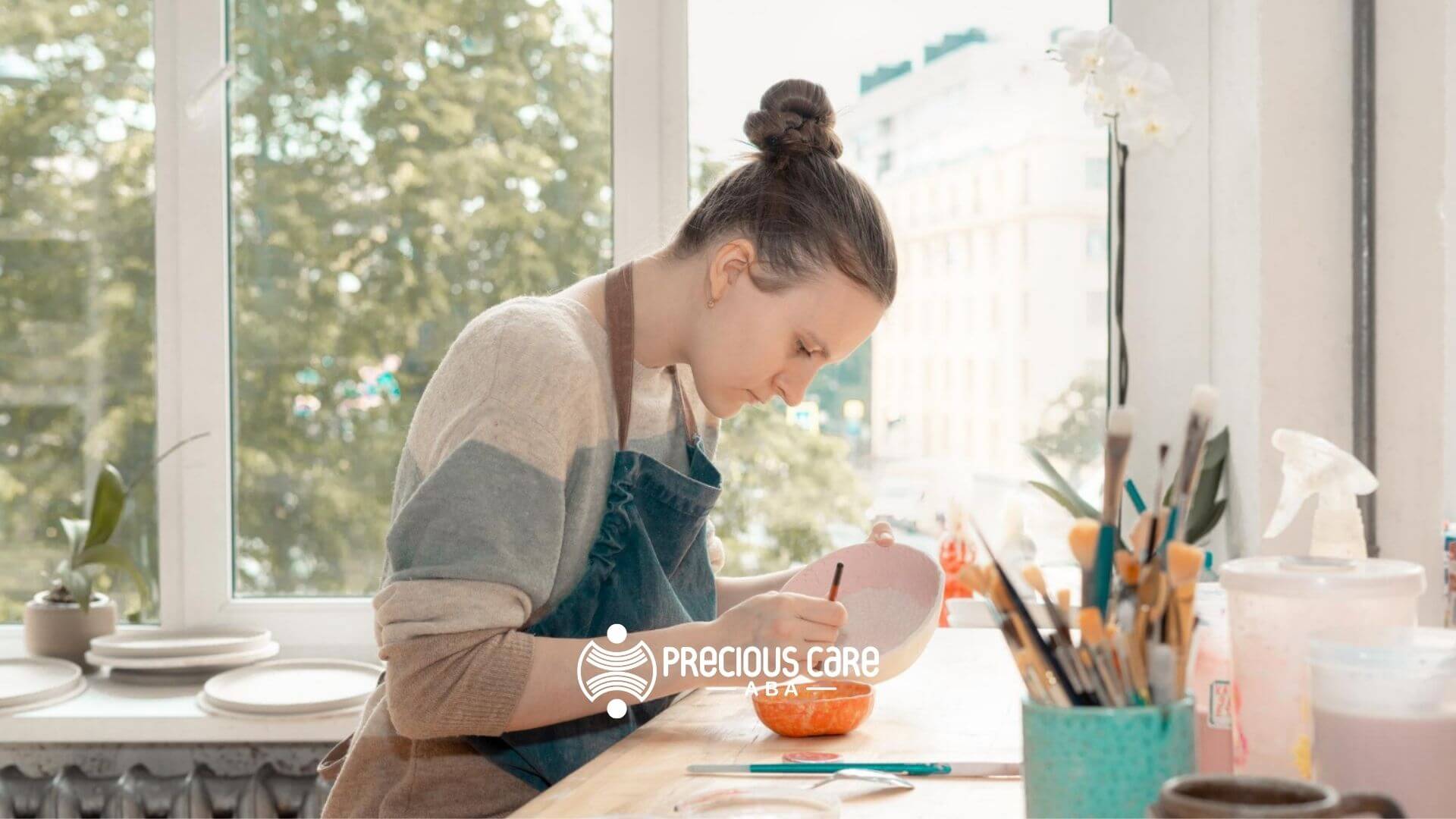
Art therapy and creative expression can be deeply therapeutic. Many autistic adults find drawing, painting, or sculpting to be a safe outlet for emotions. The beauty of art is that there’s no right or wrong — just expression.
Use different textures and materials to support sensory preferences. Clay, fabric, and colorful paper can make art both stimulating and relaxing.
Ideas to explore:
- Painting, sketching, or digital art
- Crafting collages or jewelry
- Sculpting with air-dry clay
3. Cooking and Simple Baking
Cooking combines life skills with sensory experience — it’s one of my go-to recommendations. Measuring, stirring, and tasting can all provide rich sensory feedback while building independence and confidence.
Start with:
- Easy recipes like muffins, cookies, or smoothies
- Meal prep activities such as chopping veggies or making salads
- Exploring new flavors and aromas at a comfortable pace
4. Indoor Gardening
Caring for plants helps create calm and routine. I often suggest indoor gardening for adults with autism because it provides structure and a connection to nature — right inside your home.
Great starter plants:
- Snake Plant — resilient and air-purifying
- Spider Plant — easy to maintain and non-toxic
- Pothos — thrives in various light conditions
Watching plants grow brings a quiet sense of accomplishment and responsibility.
5. Puzzles and Brain Games
Puzzles, Sudoku, and word searches are wonderful for focus and cognitive development. They offer clear goals and structured challenges, which many autistic adults find grounding and satisfying.
Try:
- Jigsaw puzzles
- Crossword or word puzzles
- Strategy-based board or phone games
These activities can improve memory, attention, and problem-solving while providing relaxation.
6. Gentle Yoga and Meditation
Movement breaks don’t have to mean intense exercise. Gentle yoga and mindfulness help calm the mind and body. I often guide clients through breathing or stretching exercises to reduce stress and improve sensory regulation.
Ideas:
- Follow beginner yoga videos online
- Practice deep breathing or guided meditation
- Create a quiet “relaxation corner” with dim lights and calming music
7. DIY Music and Rhythm Activities
Music is powerful for emotional expression. You don’t need instruments — just creativity! Try making shakers from rice-filled bottles or drumming on soft surfaces.
Ideas:
- Play along with favorite songs
- Explore rhythm apps
- Join an online music group or jam session
Music supports coordination, mood regulation, and social connection — especially in group settings.
8. Board and Card Games
Games are a structured, predictable way to socialize. Cooperative games are especially helpful, as they focus on teamwork over competition.
Try:
- Chess or checkers for strategy
- Cooperative board games like Pandemic
- Simple, fun card games like Uno or Go Fish
They’re great for family nights or social groups where communication can grow naturally.
9. Virtual Reality and Online Groups
Technology can open new doors for connection and exploration. Virtual reality (VR) allows for immersive experiences like visiting calming environments, while online groups create safe social opportunities.
Options:
- Join an online community around a shared interest
- Play VR or online games for social engagement
- Attend virtual classes or support groups
For many autistic adults, these digital experiences provide structure and comfort in socializing.
10. Dance and Movement Breaks
Dance is pure joy in motion. It helps regulate energy, build coordination, and release stress. You can move freely to your favorite music or follow guided dance routines online.
Simple ideas:
- Have a short “dance break” during the day
- Create movement games with music
- Try rhythmic exercises using scarves or ribbons
11. Journaling and Creative Writing
Writing is a safe, introspective way to express emotions and ideas. I often recommend journaling to help organize thoughts, reflect on feelings, and build communication skills.
Ideas:
- Keep a daily gratitude or reflection journal
- Write short stories or poems
- Join online writing workshops
It’s private, therapeutic, and flexible — perfect for quiet moments of reflection.
12. DIY Crafts and Model Building
Building and assembling things can be soothing and goal-oriented. Model kits, LEGO sets, or crafting projects support fine motor skills and provide satisfying structure.
Suggestions:
- Assemble simple model cars or planes
- Create decor items with household materials
- Try origami for focus and relaxation
13. Indoor Photography Projects
Photography combines creativity with routine. Indoor photo projects — like documenting plants, crafts, or collections — can enhance focus and mindfulness.
Ideas:
- Set up themed photo sessions
- Edit and organize photos digitally
- Create a scrapbook or digital album
14. Educational Online Courses
Lifelong learning supports independence and self-esteem. Many autistic adults enjoy structured, skill-based online learning.
Try:
- Cooking, art, or coding courses
- Online workshops for mindfulness or social skills
- Classes through community programs or Coursera
15. Sensory-Friendly Movie Nights
Movie nights can be great, especially when the environment is tailored to sensory needs. Keep lights dim, volume low, and have soft seating or weighted blankets available.
You can even create themed nights — like “classic comedies” or “nature documentaries.”
Conclusion
Engaging in indoor activities for autistic adults can bring joy, calm, and meaningful growth. From sensory play and art to puzzles and music, these activities help develop communication, life skills, and emotional balance — all within a safe, comfortable space.
At Precious Care ABA, we believe in supporting every individual’s strengths through personalized, compassionate care. Our therapists use evidence-based, person-centered strategies — including creative and sensory-friendly approaches — to help autistic children reach their goals.
Whether you’re exploring in-home ABA therapy or ABA therapy at daycare, our team proudly serves families in New Jersey and Utah.
Contact Precious Care ABA today to learn how we can help you or your loved one build skills, confidence, and a fulfilling routine — one meaningful activity at a time.
FAQs
What are some sensory-friendly indoor activities for autistic adults?
Sensory bins, calming lights, fidget tools, and weighted blankets are excellent for regulating sensory input and relaxation.
Which activities help autistic adults build life skills?
Cooking, baking, and gardening help develop planning, organization, and self-care skills that support independence.
How can families create a supportive home environment?
Adjust lighting and sound levels, maintain predictable routines, and offer choice. Structure and comfort help promote calm and confidence.
