
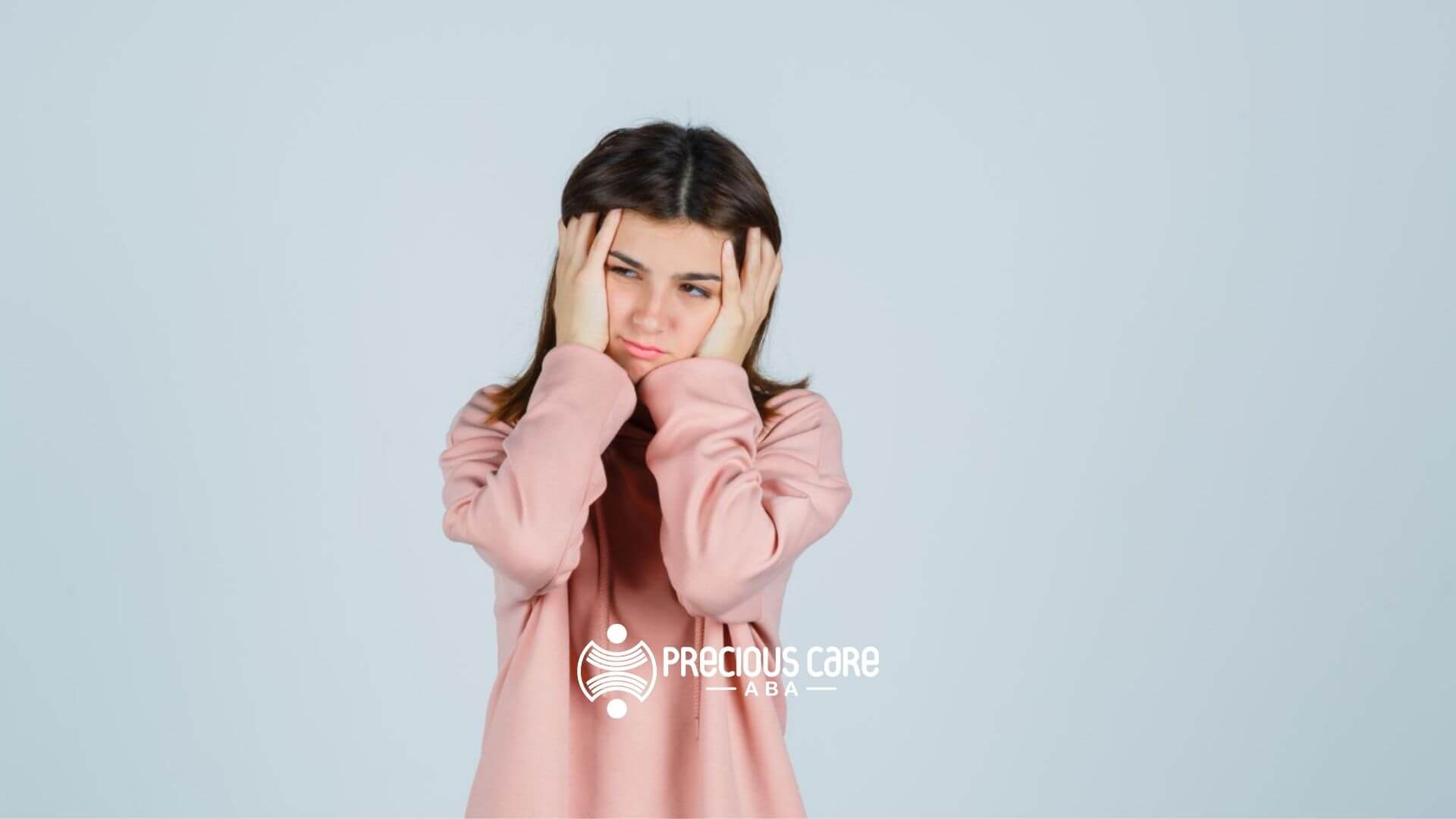
For many people with autism, overstimulation happens when the brain receives more sensory input than it can handle. Sounds, lights, textures, or even busy environments can quickly become overwhelming.
But what does overstimulation actually feel like?
Understanding Overstimulation in Autism
Overstimulation is often described as the feeling of being “flooded.” Everyday sensations—like buzzing lights, loud chatter, or scratchy clothing—can feel amplified and impossible to ignore. This can cause discomfort, stress, or even meltdowns.
Common Experiences of Overstimulation
Here’s how individuals with autism often describe what overstimulation feels like:
- Noise feels unbearable – Sounds may seem louder, sharper, or nonstop.
- Lights appear too bright – Fluorescent or flashing lights can cause headaches or anxiety.
- Textures feel irritating – Clothing tags or certain fabrics may feel painful.
- Difficulty focusing – The brain struggles to process everything at once, making it hard to concentrate.
- Emotional overload – Overstimulation may trigger frustration, tears, or the need to shut down.
It’s important to remember that every person experiences this differently. For some, it’s like sensory “chaos.” For others, it feels like being trapped in a storm of sounds, sights, and sensations.
While calming strategies and sensory tools can help in the moment, long-term support is key. At Precious Care ABA, we help families across New Jersey build coping skills and independence through personalized ABA therapy.
We offer in-home ABA therapy for comfort in familiar surroundings and ABA therapy at daycare to support learning in daily routines. Explore our New Jersey ABA services today and take the next step toward progress.
FAQs
What triggers overstimulation in autism?
Common triggers include loud sounds, bright lights, crowded places, or overwhelming textures.
How can overstimulation be managed?
Calming items, breaks in quiet spaces, and structured routines often help.
Does overstimulation affect adults with autism too?
Yes, adults also experience it and may need similar coping strategies.
Sources:
- https://autismspectrumnews.org/four-faces-of-overstimulation/
- https://www.autism.org.uk/advice-and-guidance/topics/about-autism/autism-and-sensory-processing
- https://www.autismparentingmagazine.com/overstimulation-autism/
- https://www.sciencedirect.com/science/article/abs/pii/S1755599X23001234
- https://www.simplypsychology.org/autism-overstimulation.html
