
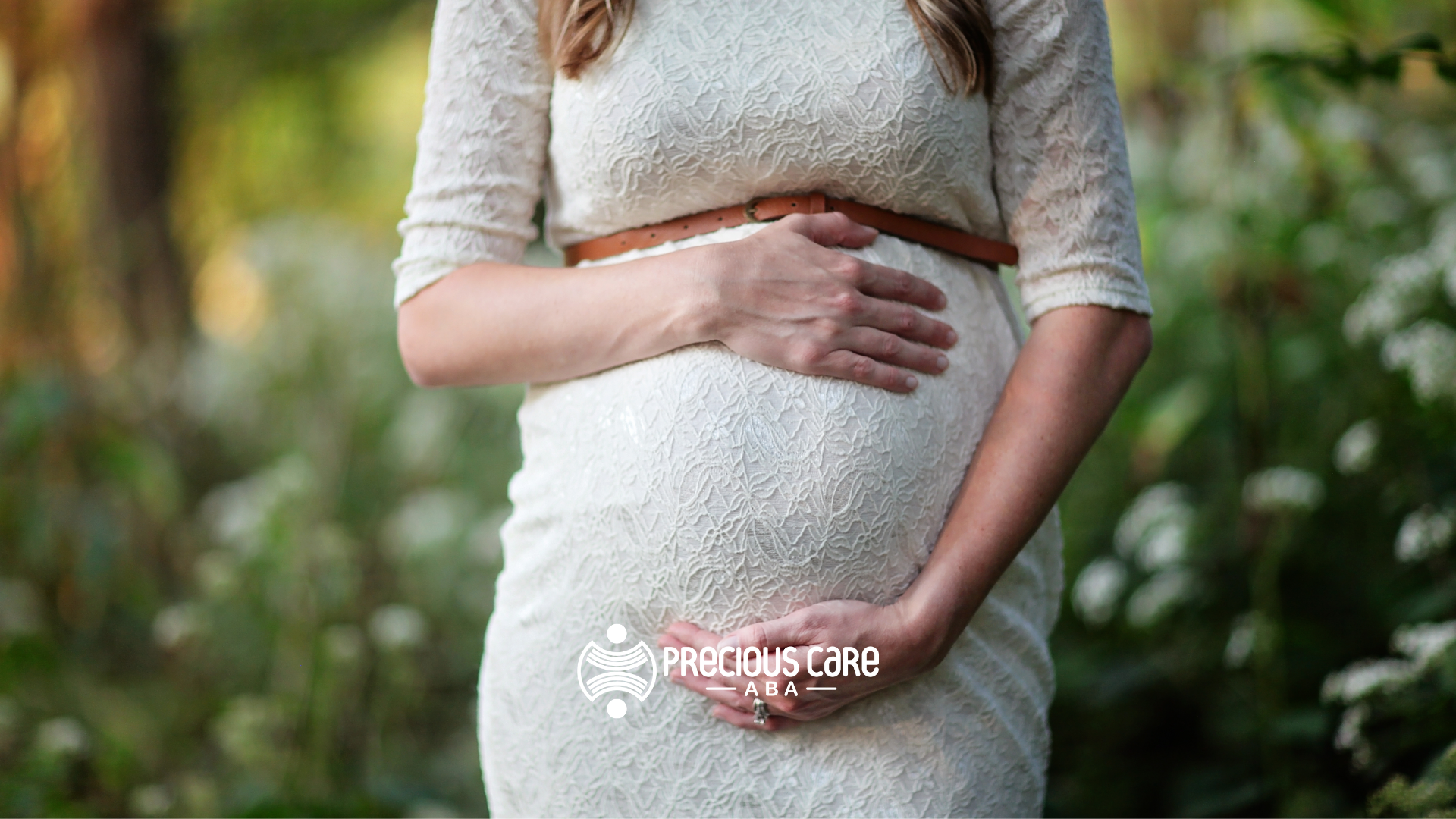
Pregnancy is a time filled with hope and questions. As an expectant mother, you naturally want to do everything you can to support your baby’s health. When it comes to Autism Spectrum Disorder (ASD), a complex developmental condition, many parents wonder what they can do. While there is no guaranteed way to prevent autism, taking certain steps during your prenatal care journey can help reduce the risk of autism and promote healthy development for your little one.
Common Myths About Autism Prevention in Pregnancy
When you’re expecting, you might come across a lot of advice about autism prevention. It can be difficult to separate myth vs. fact, leading to unnecessary worry. Many misconceptions circulate about diet, vitamins, and environmental factors, making it hard to know what’s truly important.
Understanding the truth is key to making empowered decisions. Let’s clear up some common myths and focus on what science says can genuinely help lower the risk of autism, so you can focus on a healthy, happy pregnancy.
Misconceptions About Diet and Autism
A common myth is that a single “miracle” food or an extreme diet can prevent the development of the autism spectrum. However, research does not support this idea. The focus should not be on one specific ingredient but rather on maintaining a consistently nutritious and balanced diet throughout your pregnancy.
Are there specific foods or nutrients that help prevent autism during pregnancy? While no food is a guarantee, a diet rich in whole foods provides the essential building blocks for healthy brain development. This approach helps reduce potential risks associated with nutritional deficiencies.
Focusing on variety is more effective than eliminating entire food groups without medical guidance. Key nutrients to include are:
- Folic acid from leafy greens and beans
- Omega-3 fatty acids from sources like fatty fish and walnuts
- Iron from lean meats and fortified cereals
Debunking Myths About Prenatal Vitamins
You may have heard that all prenatal vitamins are the same, but that’s not entirely true. The quality and composition of your prenatal supplements matter, especially when it comes to folic acid. Taking folic acid before and during early pregnancy is strongly linked to a reduced risk of neural tube defects and has been shown to lower the risk for Autism Spectrum Disorder.
As Dr. Lulu Zhao, M.D., states, “Adequate folic acid intake is one simple way to protect your fetus’ developing brain.” It’s a simple, evidence-based step you can take. While beneficial supplements like prenatal vitamins support health, it’s also true that certain medications taken in pregnancy can affect autism risk, highlighting the importance of consulting with your doctor about everything you take.
Ensure you’re getting the right support by:
- Choosing a prenatal vitamin with 400–800 micrograms of folic acid.
- Speaking with your healthcare provider to select the best supplement for your needs.
Environmental Exposures and False Beliefs
There are many false beliefs surrounding environmental exposures and autism, causing unnecessary panic. Some people might suggest that everyday activities carry a high risk, but it’s more productive to focus on known harmful substances. The key is to reduce exposure to specific toxins that have been scientifically linked to an increased risk.
Are there environmental factors I should avoid during pregnancy to reduce autism risk? Yes, research points to several. It’s wise to limit contact with high levels of air pollution, pesticides, and certain industrial chemicals. For example, you can take simple steps like avoiding areas with heavy traffic and using natural cleaning products at home.
While you can’t eliminate all environmental exposures, you can make conscious choices. Discuss any concerns about your home or work environment with your healthcare provider. Reducing your contact with known harmful substances is a practical way to create a safer environment for your developing baby.
Scientific Facts on Reducing Autism Risk
After sorting through the myths, it’s refreshing to focus on the facts. Scientific evidence provides a clear roadmap for expectant mothers who want to proactively lower their child’s autism risk. The steps are not about finding a cure but about creating the healthiest possible environment for your baby to grow and thrive.
These evidence-based strategies address various aspects of pregnancy, from nutrition to medical care. The following sections will explore what current research says about reducing the risk of this complex spectrum disorder.
What Current Research Really Says
Current research on Autism Spectrum Disorder points to a complex interplay of genetic and environmental factors. There isn’t a single cause, which means there isn’t a single preventive solution. Instead, studies suggest that multiple elements contribute to a child’s risk.
So, what steps can you take during pregnancy to lower the risk of autism in my child? Research highlights the importance of managing your health and environment. This includes maintaining a balanced diet, taking prenatal vitamins with folic acid, avoiding exposure to toxins like air pollution and pesticides, and managing chronic health conditions.
Each of these steps helps reduce a known risk factor. By focusing on these controllable aspects, you are actively supporting your baby’s healthy brain development and creating a strong foundation for their future well-being, based on what the science currently tells us.
The Role of Evidence-Based Medicine
Navigating pregnancy is easier when you rely on evidence-based medicine. This means making health decisions based on the best available scientific research, rather than on anecdotes or myths. Your healthcare provider is your most valuable partner in this journey, offering guidance tailored to your specific needs.
What are the key strategies recommended for preventing autism during pregnancy? Recommended strategies grounded in evidence include consistent prenatal care, managing maternal health conditions like diabetes, and ensuring you are up-to-date on vaccinations. Regular checkups allow your provider to monitor both your health and your baby’s development, catching any potential issues early.
Working closely with your healthcare provider ensures you are following proven practices. Don’t hesitate to ask questions and share concerns during your appointments. This partnership is fundamental to a healthy pregnancy and is the most reliable way to implement effective preventive strategies.
Myth vs. Fact: Maternal Age and Autism
The topic of maternal age is often surrounded by myths, but there is a factual link between parental age and the risk of autism. Research shows that both older and younger maternal age can be a risk factor. What maternal risk factors are linked to increased autism risk in pregnancy? Advanced maternal age is one.
Studies indicate that mothers over 40 have a higher risk of autism in their children, as do very young mothers under 20. Advanced paternal age (over 50) has also been associated with an increased risk. This highlights that the timing of pregnancy can be a contributing factor.
It’s important to discuss your personal circumstances with a healthcare provider. They can offer context and guidance based on your overall health.
| Parental Age Group | Associated Autism Risk |
|---|---|
| Maternal Age < 20 | Increased Risk |
| Maternal Age 20-39 | Lower Relative Risk |
| Maternal Age > 40 | Higher Risk of Autism |
| Paternal Age > 50 | Increased Risk |
Key Strategies for Autism Prevention During Pregnancy
Now that we’ve covered the science, let’s focus on actionable steps. The key strategies for autism prevention during pregnancy revolve around proactive and consistent health management. It’s about making conscious choices every day to support your well-being and your baby’s development.
From regular prenatal care visits to managing your daily habits, each action contributes to a healthier pregnancy. These practices can help minimize risks and set the stage for positive outcomes, reinforcing the importance of early intervention in your own health.
Recommended Prenatal Care Practices
One of the most effective steps you can take during pregnancy to lower the risk of autism in your child is to commit to regular prenatal care. These appointments are crucial for monitoring your health and your baby’s growth. Skipping them, even when you feel fine, means missing opportunities for early detection of potential issues.
Your healthcare provider uses these visits to track important health markers, screen for conditions like gestational diabetes, and ensure your pregnancy is progressing as it should. This consistent oversight is a cornerstone of a healthy pregnancy.
To make the most of your prenatal care, be sure to:
- Attend all scheduled appointments with your healthcare provider.
- Maintain a healthy weight gain as recommended by your doctor.
- Incorporate regular exercise, such as walking or swimming, into your routine.
Safe Medication Use Throughout Pregnancy
Thinking about safe medication use during pregnancy is incredibly important. Do certain medications taken in pregnancy affect autism risk? Yes, some have been linked to a higher risk of neurodevelopmental disorders. For example, certain antiepileptic drugs, like valproate, have been associated with an increased risk.
This is why you should always speak with healthcare professionals before starting, stopping, or changing any medication. This includes prescriptions, over-the-counter drugs, and even supplements beyond your prenatal vitamins. Never make changes on your own, as this could pose risks to you or your baby.
Your doctor can help you weigh the benefits and risks of any treatment and suggest safer alternatives if needed. Open communication is key to ensuring you are only taking what is necessary and safe for your developing baby.
Managing Maternal Health Conditions
Existing maternal health conditions are among the maternal risk factors linked to increased autism risk in pregnancy. Conditions like diabetes, thyroid disorders, and high blood pressure can influence your baby’s development if not properly managed. This is why proactive health management is so critical.
Working closely with your healthcare provider to monitor and control these conditions can significantly mitigate potential risks. For instance, maintaining stable blood sugar levels if you have gestational diabetes or ensuring your thyroid function is optimal can create a healthier environment for your baby. A healthy maternal immune system also plays a role in a healthy pregnancy.
Take these proactive steps to manage your health:
- Follow your doctor’s treatment plan for any chronic conditions.
- Attend all regular checkups to monitor your health status.
Nutrition and Essential Nutrients for Expectant Mothers
Proper nutrition is one of the most powerful tools you have during pregnancy. The food you eat provides the essential nutrients that serve as the building blocks for your baby’s entire body, including their developing brain. For pregnant women, focusing on a nutrient-rich diet is a direct way to support a healthy pregnancy.
Making thoughtful dietary choices ensures you and your baby get the vitamins and minerals you both need. Let’s look at some of the most important essential nutrients for expectant mothers.
Importance of Folic Acid and Prenatal Vitamins
Ensuring a healthy pregnancy involves incorporating essential nutrients, particularly folic acid and prenatal vitamins. These nutrients are crucial for the healthy brain development of the baby, helping to reduce the risk of autism spectrum disorder and other neurodevelopmental issues. Folic acid, found in leafy greens and whole grains, supports the formation of the neural tube, vital during early pregnancy. Along with other prenatal vitamins, these supplements provide key fatty acids and vitamins that bolster the immune system, supporting both expectant mothers and their developing babies. Regular prenatal care with healthcare providers can help optimize maternal nutrition for a healthier outcome.
Omega-3 Fatty Acids and Brain Development
In addition to folic acid, omega-3 fatty acids are superstars for your baby’s brain development. These healthy fats are crucial components of brain tissue and support cognitive growth throughout the prenatal period. Including them in your diet is a great way to nourish your baby’s developing mind.
Are there specific foods or nutrients that help prevent autism during pregnancy? Omega-3s are certainly on the list. A diet rich in these fatty acids has been linked to better neurodevelopmental outcomes.
You can boost your intake of omega-3s by:
- Eating fatty fish like salmon and sardines two times a week, after checking with your doctor about low-mercury options.
- Including plant-based sources like walnuts, chia seeds, and flaxseed in your daily meals and snacks.
Exploring the Role of Probiotics
You may have heard talk about probiotics, or “good bacteria,” and their potential benefits during pregnancy. Is it true that probiotics can help prevent autism in pregnancy? Currently, scientific research in this specific area is still emerging, and there is no conclusive evidence to support this claim.
What we do know is that a healthy maternal immune system is important for a healthy pregnancy. The gut microbiome, which is influenced by probiotics, plays a key role in immune function. Therefore, maintaining good gut health is a positive step for your overall well-being while expecting.
While direct links between probiotics and autism prevention are not yet established, supporting your immune system through a balanced lifestyle is always a good idea. For now, it’s best to focus on proven strategies and discuss any new supplements, including probiotics, with your healthcare provider to ensure they are right for you. This helps support healthy brain development in your baby.
Foods and Dietary Patterns Linked to Lower Autism Risk
Your dietary patterns during pregnancy can make a real difference in lowering your child’s autism risk. It’s less about a restrictive diet and more about embracing a wide range of nutrient-dense foods. Consistency is key, as your baby relies on your daily intake for their development.
Focusing on whole, unprocessed foods helps ensure you receive the vitamins and minerals needed for a healthy pregnancy. Let’s explore which foods to prioritize and which ingredients are best to avoid.
Nutrient-Dense Foods to Include During Pregnancy
Building a balanced diet with nutrient-dense foods is one of the best ways to support your baby’s development. Are there specific foods or nutrients that help prevent autism during pregnancy? Rather than one single food, a consistent intake of various healthy foods is what matters. A diet full of color and variety is a great goal.
Think of your plate as a canvas for providing your baby with everything they need. Include plenty of fresh fruits and vegetables, lean proteins, and healthy fats. This approach ensures a steady supply of vitamins and minerals for your baby’s growing brain and body.
To create a strong, balanced diet, focus on incorporating:
- Leafy greens like spinach and kale, which are packed with folic acid.
- Whole grains, beans, and lentils for fiber and essential nutrients.
- Lean proteins and omega-3-rich fish to support brain development.
Ingredients to Avoid When Expecting
Just as important as what you eat is what you avoid. Certain ingredients and harmful substances can negatively impact your baby’s development and are considered environmental influences that can contribute to an increased risk of autism.
Are there environmental factors I should avoid during pregnancy to reduce autism risk? Yes, and some of them are ingested. It is critical to stay away from alcohol, tobacco, and all recreational drugs, as these can directly harm your baby’s developing brain and body.
In addition to these, it’s wise to be cautious about other potential risks. Key ingredients and substances to avoid include:
- High-mercury fish, like shark and swordfish. Opt for safer choices like salmon and sardines.
- Unpasteurized dairy products and deli meats, which can carry harmful bacteria.
Genetic Factors — What Parents Need to Know
While you can control your diet and lifestyle, genetic factors are an element of autism risk that you can’t change. Genetics are known to play a significant role, and certain genetic variations can increase a child’s likelihood of developing autism spectrum disorder.
Understanding your genetic background is not about placing blame but about being informed. Knowing your family’s medical history can help you and your doctor make the best decisions, which might include discussions about genetic testing.
Family Medical History and Autism Susceptibility
Your family history offers important clues about your child’s susceptibility to autism. A known family history of autism is one of the strongest risk factors. If you have a child with autism, the risk of having another child with the condition is higher. Similarly, if you or your partner have a close relative with Autism Spectrum Disorder, this can also increase the risk.
Sharing this information with your healthcare provider is crucial. It allows them to get a complete picture of your potential risk factors and can open up conversations about what this means for your pregnancy. While this is a genetic risk factor, not a maternal one, it’s a key part of the overall picture.
Knowing about an increased risk of Autism Spectrum Disorder doesn’t change the outcome, but it can help you and your medical team be more vigilant and prepared. It underscores the importance of early detection and intervention if any developmental concerns arise after birth.
The Limits and Possibilities of Genetic Testing
With the knowledge of genetic links, many parents ask: can genetic testing during pregnancy identify autism risk? The answer is complex. Currently, there is no single prenatal test that can diagnose or definitively predict autism. Autism is a clinical diagnosis made based on behavior and development after a child is born.
However, some genetic testing can identify certain genetic conditions, like Fragile X syndrome, that are associated with a higher risk of autism spectrum disorder or intellectual disability. These tests, such as a chromosomal microarray, can signal an increased likelihood but are not a diagnosis of autism itself.
It’s important to understand the limits of these tests. A positive result for a related genetic marker doesn’t guarantee a child will have autism, and a clear result doesn’t rule it out. If you have a family history, a genetic counselor can help you understand your options and interpret any results.
Maternal Risk Factors and Their Impacts
Your health as a mother has a direct impact on your developing baby. Certain maternal risk factors, particularly specific health conditions, have been linked to a higher risk of autism. This connection highlights how your well-being is intricately tied to your baby’s.
Managing your health proactively before and during pregnancy is a powerful way to reduce these risks. By working with your healthcare team, you can take control of your health and create a safer developmental environment for your child.
Chronic Conditions and Autism Prevalence
What maternal risk factors are linked to increased autism risk in pregnancy? Chronic conditions are a significant category. Health issues like diabetes, high blood pressure (preeclampsia), and thyroid disorders in the mother have been associated with a higher prevalence of autism in children. These conditions can affect the prenatal environment in various ways.
The good news is that managing these conditions effectively can lower the associated risk. If you have a pre-existing chronic condition, it is vital to work with your doctor to get it under control, ideally before you conceive.
If a condition like gestational diabetes arises during pregnancy, following your doctor’s treatment plan diligently is key. Proper management helps stabilize the prenatal environment, reducing the risk of the autism spectrum and supporting your baby’s healthy development.
Stress and Mental Health Considerations
Your mental health is just as important as your physical health during pregnancy. High levels of chronic maternal stress can trigger hormonal changes that may negatively impact the development of the baby. This connection makes stress management a key lifestyle change that can help lower autism risk.
Prioritizing your mental health is not selfish; it’s a crucial part of a healthy pregnancy. Finding healthy ways to cope with stress creates a more nurturing and stable environment for your baby to grow.
Consider incorporating these practices into your routine:
- Relaxation techniques like deep breathing, gentle yoga, or mindfulness meditation.
- Seeking support from a therapist, friends, or a support group to talk through your feelings.
Environmental Influences on Pregnancy Outcomes
Beyond your personal health, the world around you also plays a role in your pregnancy. These environmental influences can include the air you breathe and the products you use. Certain environmental factors have been linked to an increased risk of Autism Spectrum Disorder, making awareness and avoidance key.
By learning about these potential risks, you can take simple, practical steps to minimize your exposure. Creating a safer personal environment is another proactive way you can support a healthy pregnancy outcome.
Safe Habits to Reduce Exposure to Toxins
Adopting safe habits to reduce your exposure to environmental toxins is a practical step toward a healthy pregnancy. Are there environmental factors I should avoid during pregnancy to reduce autism risk? Yes, and many of them can be minimized with simple changes in your daily routine.
Start by paying attention to your immediate surroundings. The goal is not to live in a bubble but to make smarter, informed choices. For example, opting for fresh air and natural products can make a big difference over nine months.
Incorporate these safe habits for a reduced risk of autism:
- Choose natural, non-toxic cleaning supplies for your home.
- Avoid areas with heavy traffic or poor air quality when you exercise.
- Be cautious with new carpets or plastics that can release chemicals.
Air Pollution, Pesticides, and Other Risks
Among the environmental factors to avoid, air pollution and pesticides are two of the most studied. Systematic reviews have shown that high exposure to these substances during pregnancy is associated with a higher risk of autism. This is especially true for families with a genetic predisposition.
Pesticides used in agriculture and even in home gardens can pose potential risks. Whenever possible, choose organic produce and wash all fruits and vegetables thoroughly. If you have a garden, look for natural pest control methods instead of chemical sprays.
Similarly, try to minimize your exposure to air pollution. This could mean avoiding walks along busy highways, using an air purifier in your home, and keeping windows closed on days when air quality is poor. Reducing your exposure to these known risks is a sensible way to protect your baby.
Birth and Perinatal Complications
The circumstances surrounding birth can also influence a child’s developmental outcomes. Certain birth complications, particularly preterm birth (birth before 37 weeks), are associated with a higher risk of neurodevelopmental disorders, including autism. Babies born too early may face more challenges as their bodies and brains haven’t had the full time to develop.
Another factor is the spacing between pregnancies. Studies show that conceiving less than 18 months after a previous birth can increase the risk of preterm birth and, consequently, autism. Planning for adequate spacing allows your body to fully recover and replenish nutrients, setting the stage for a healthier subsequent pregnancy.
Issues During Labor That May Affect Autism Risk
Can complications during birth increase the risk of autism? Yes, certain perinatal complications have been linked to a higher risk of Autism Spectrum Disorder. While a direct cause-and-effect relationship is complex, events that affect the baby’s brain during or around the time of birth, such as a lack of oxygen or significant fetal distress, can be contributing factors.
Preterm birth remains one of the most significant issues. A baby born prematurely is more vulnerable to a range of health issues, and their developing brain may be more susceptible to injury or developmental differences that increase the risk of Autism Spectrum Disorder.
This is another reason why excellent prenatal care is so important. By managing health conditions and promoting a full-term pregnancy, you can reduce the likelihood of these complications. If developmental delays are noticed later, this knowledge can prompt early intervention, which is crucial for support.
Conclusion
In conclusion, understanding the myths and facts surrounding autism prevention during pregnancy is essential for expectant mothers. By debunking common misconceptions and focusing on evidence-based practices, you can create a healthier environment for your baby. Emphasizing nutrition, safe medication use, and managing maternal health conditions can significantly reduce potential risks. Remember, while genetic factors may play a role, there are proactive steps you can take to support your child’s well-being. If you’re looking for personalized guidance on this journey, we invite you to get a free consultation with our experts. Together, let’s pave the way for a brighter future for you and your little one.
Why Choose Precious Care ABA?
When it comes to sorting myths from facts about autism and pregnancy, families deserve guidance they can trust. At Precious Care ABA, we extend that same commitment to honesty, science, and compassion in the way we deliver care. Serving families across New Jersey and Utah, our expert team provides personalized ABA therapy designed to help children thrive in communication, social skills, and daily independence. With a family-first approach and evidence-based methods, Precious Care ABA ensures every child receives the support they need while giving parents confidence in their child’s future.
Frequently Asked Questions
Can certain foods help prevent autism in pregnancy?
No single food can prevent autism, but good nutrition can lower the autism risk. A diet rich in foods containing folic acid, like leafy greens and beans, and omega-3s from fish is beneficial. Taking prenatal vitamins is also crucial to ensure you and your baby get all the essential nutrients.
Is autism risk detectable before birth?
There is no definitive test for autism spectrum disorder during early pregnancy. However, genetic testing can sometimes identify a related risk factor, especially with a family history. This is not a diagnosis but can be useful information for parents and doctors, allowing for vigilant monitoring and early detection after birth.
Do any lifestyle changes reliably lower autism risk?
Yes, several lifestyle changes can help lower the risk of autism. These include consistent prenatal care, eating a balanced diet, getting regular exercise, managing stress, and avoiding toxins like alcohol and tobacco. Each of these choices contributes to a healthier pregnancy and safer environment for your developing baby.
–
Sources:
https://www.psychiatry.org/patients-families/autism/what-is-autism-spectrum-disorder
https://medlineplus.gov/folicacid.html
https://americanpregnancy.org/healthy-pregnancy/pregnancy-health-wellness/omega-3-fish-oil-and-pregnancy/
https://www.tommys.org/pregnancy-information/im-pregnant/nutrition-in-pregnancy/iron-pregnancy
https://www.nhs.uk/pregnancy/keeping-well/vitamins-supplements-and-nutrition/
https://www.cdc.gov/birth-defects/about/neural-tube-defects.html
https://www.cdc.gov/folic-acid/about/index.html
https://americanpregnancy.org/healthy-pregnancy/pregnancy-health-wellness/how-air-pollution-impacts-pregnancy/
https://americanpregnancy.org/healthy-pregnancy/is-it-safe/pesticides-during-pregnancy/
https://diabetesjournals.org/diabetes/article/74/7/1037/158091/What-Is-Gestational-Diabetes-Really
https://americanpregnancy.org/healthy-pregnancy/pregnancy-health-wellness/probiotics-during-pregnancy/
https://www.racgp.org.au/afp/2017/april/the-gut-microbiome
https://www.cdc.gov/fragile-x-syndrome/about/index.html
https://www.cdc.gov/high-blood-pressure/about/high-blood-pressure-during-pregnancy.html
