
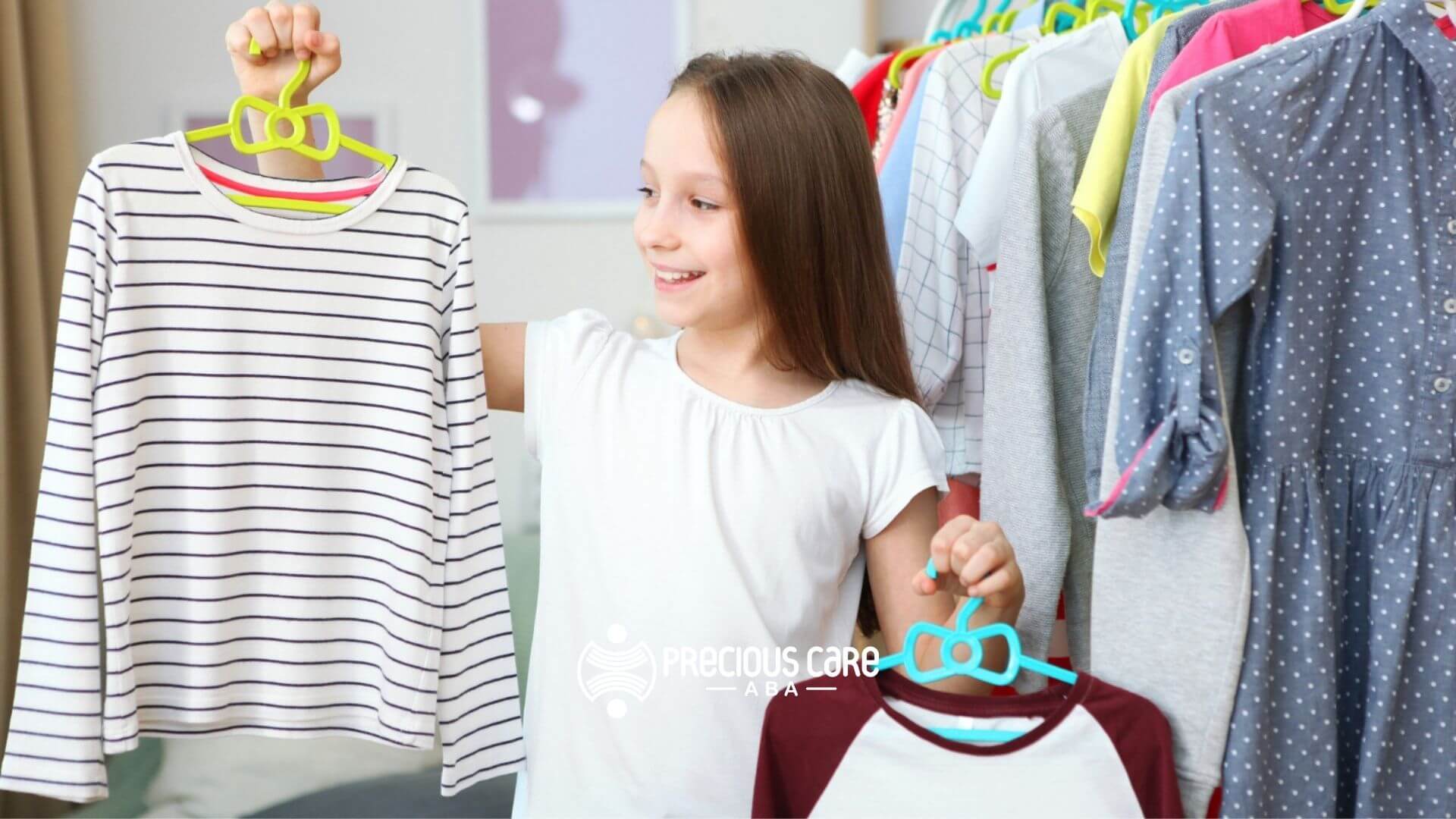
For many children with autism, getting dressed isn’t just about style — it’s about comfort. Tags, seams, itchy fabrics, or tight waistbands can feel unbearable for kids with sensory sensitivities. That’s why sensory clothing for autism has become a game-changer for parents looking to make mornings smoother and days more peaceful.
These specially designed clothes are made to reduce irritation, support sensory regulation, and help kids feel calm, confident, and ready to take on their day.
Here are 10 of the best types of sensory-friendly clothing for kids with autism — and why they work so well.
1. Seamless Shirts and Leggings
For children who can’t stand scratchy seams, seamless clothing is a must. These pieces are knitted in one piece or use flat seams that don’t rub against the skin.
Why it helps: Prevents irritation, increases comfort, and reduces meltdowns over clothing textures.
2. Tagless or Printed-Label Tops
Clothing tags can be unbearable for kids with tactile sensitivity. Tagless or heat-printed labels remove the itch completely.
Pro tip: If a tag bothers your child, cut it off and seal the edge with soft fabric tape.
3. Compression Clothing
Compression shirts, vests, and pants offer deep pressure input, which can be calming for children who crave sensory stability.
Why it helps: Feels like a steady, gentle hug that helps regulate the nervous system and improve focus.
4. Weighted Hoodies and Vests
Weighted clothing adds gentle pressure using evenly distributed weights. It can help reduce anxiety and improve concentration, especially during school or therapy.
Tip: Always check with an occupational therapist before long use.
5. Soft, Breathable Fabrics
Autism-friendly clothing made from cotton, bamboo, or modal fabric allows skin to breathe and minimizes sensory irritation. These materials are perfect for kids who dislike synthetic or rough fabrics.
Why it helps: Prevents overheating and keeps your child comfortable throughout the day.
6. Elastic Waistbands and Adjustable Fits
Buttons, zippers, and tight waistbands can be tricky and uncomfortable. Elastic or adjustable waistbands make dressing faster and more independent for kids with sensory sensitivities.
Best for: School uniforms, casual wear, and pajamas.
7. Sensory Socks and Underwear
Don’t underestimate the power of comfy socks and underwear. Look for seamless sensory socks and tagless underwear to avoid bunching, rubbing, or pinching.
Why it helps: Eliminates one of the most common morning triggers for sensory discomfort.
8. Adaptive School Clothing
Adaptive schoolwear includes polos without tags, elastic khakis, and soft uniform options designed with sensory needs in mind. These help children feel confident and comfortable in class.
Parent tip: Buy a few of the same soft outfit to simplify mornings and keep routines predictable.
9. Magnetic or Easy-Fasten Closures
Instead of buttons or zippers, magnetic closures or Velcro make dressing easier and faster — especially for kids with fine motor challenges or sensory aversions.
Why it helps: Builds independence and reduces frustration.
10. Calming Pajamas and Sleepwear
Sleep can be tough for children with autism, and uncomfortable pajamas make it even harder. Sensory sleepwear with soft fabrics, no seams, and compression-style fits can help calm the body before bedtime.
Bonus: Combine with a weighted blanket for a full sensory-calming routine.
The right sensory clothing for autism can make daily routines easier and more enjoyable for both kids and parents. By choosing soft, flexible, and tag-free materials, you’re helping your child feel safe, focused, and ready to take on the day — one comfortable outfit at a time.
At Precious Care ABA, we understand that every sensory experience matters. Through in-home ABA therapy and ABA therapy at daycare, we help children develop communication and daily living skills that build comfort and confidence.
Families in New Jersey and Utah trust Precious Care ABA to support their children’s unique sensory and developmental needs with care and compassion.
Reach out today to learn how personalized ABA therapy can make every part of your child’s routine — from dressing to daily life — a little easier.
FAQs
What is sensory clothing for autism?
Sensory clothing is specially designed to reduce irritation and sensory overload for children with autism. It includes soft fabrics, tagless designs, and seamless construction.
Does sensory clothing really help autistic kids?
Yes! Comfortable, sensory-friendly clothes can reduce meltdowns, improve focus, and make daily activities less stressful for kids with autism.
Where can I buy sensory-friendly clothing?
Many brands offer great options — like SmartKnit, CalmCare, and Target’s Adaptive Clothing line — with tagless, seamless, and compression-friendly designs.
