
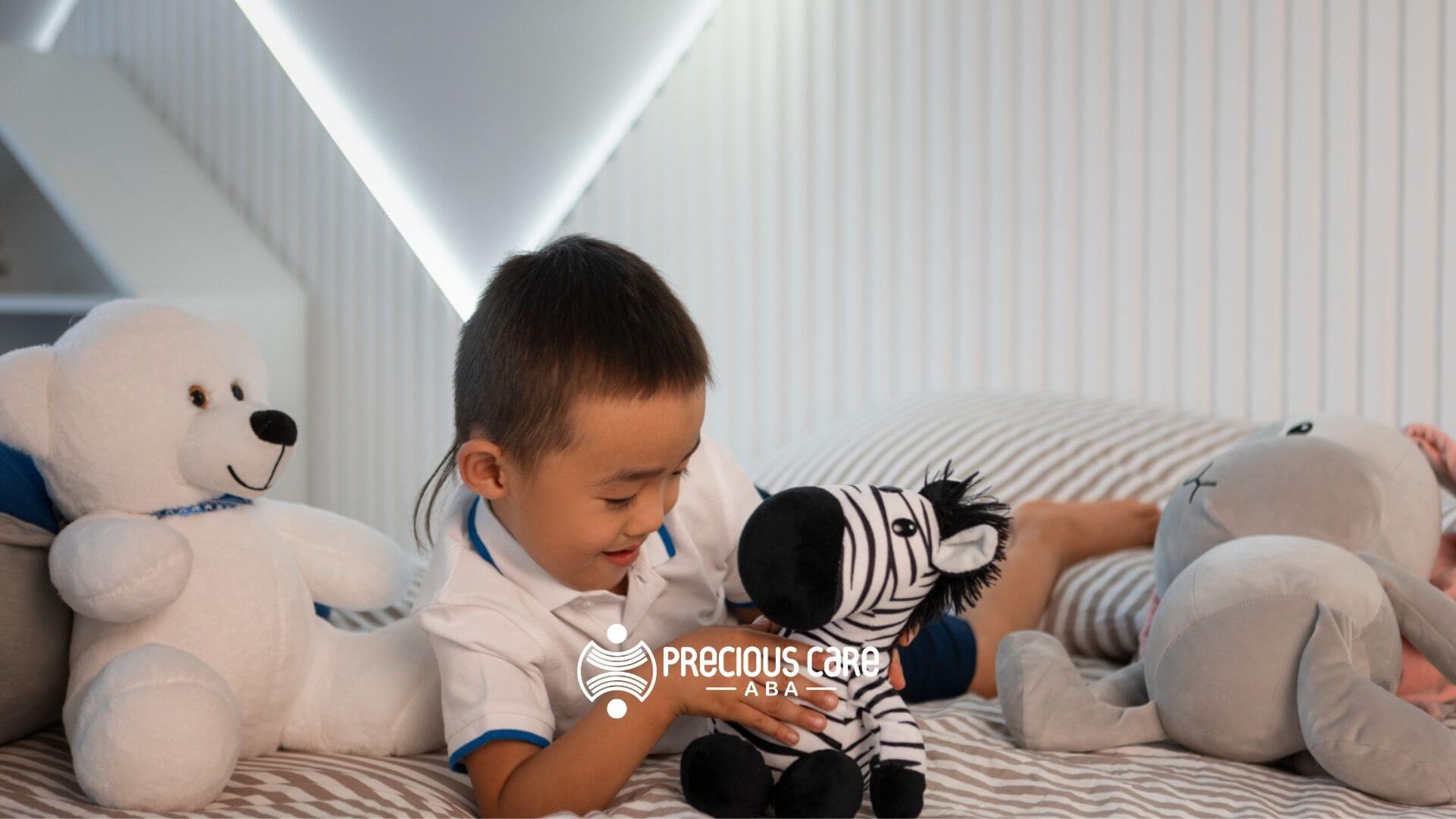
For many children with autism, the world can feel overwhelming. Bright lights, loud noises, and busy environments may lead to stress or sensory overload. That’s where sensory rooms come in—they’re safe spaces designed to calm, engage, and support children in unique ways.
What Is a Sensory Room?
A sensory room is a specially designed space filled with tools that provide soothing sensory input. It might include soft lighting, calming sounds, weighted items, swings, or bubble tubes. These elements create an environment where autistic children can relax, refocus, and feel safe.
Why Sensory Rooms Help Autistic Kids
Autistic children often process sensory information differently. A sensory room meets those needs by offering controlled stimulation that promotes comfort and regulation.
Here’s how sensory rooms make a difference:
- Reduce stress and anxiety – Quiet, calming features help children relax when they feel overwhelmed.
- Improve focus – Activities like fidgeting, swinging, or watching bubble lights can restore attention.
- Encourage self-regulation – Kids learn how to manage emotions and calm themselves in healthy ways.
- Support therapy goals – Sensory activities can improve motor skills, balance, and coordination.
- Provide a safe retreat – A sensory room gives children a break from the chaos of everyday life.
Support Beyond Sensory Rooms
Sensory rooms are powerful tools, but ongoing therapy ensures long-term growth. At Precious Care ABA, we provide personalized ABA therapy across New Jersey. Families can choose in-home ABA therapy for comfort in familiar settings or ABA therapy at daycare for daily support.
Explore our New Jersey ABA services and discover how we can help your child thrive!
FAQs
What is the main purpose of a sensory room?
To provide a calming, safe space where children can regulate their emotions and reduce stress.
Are sensory rooms only for kids with autism?
No. They can help children with ADHD, anxiety, or sensory processing challenges too.
Do sensory rooms replace therapy?
No. They’re a helpful tool, but therapy like ABA provides long-term strategies for growth.
Sources:
- https://www.autism.org.uk/advice-and-guidance/topics/about-autism/autism-and-sensory-processing
- https://www.cardiff.ac.uk/psychology/research/impact/sensory-room-guide-supporting-the-learning-and-wellbeing-of-autistic-children
- https://pmc.ncbi.nlm.nih.gov/articles/PMC9340127/
- https://www.sciencedirect.com/science/article/abs/pii/S1750946724000370
- https://pmc.ncbi.nlm.nih.gov/articles/PMC11496388/
