Precious Care ABA

Why Do Autistic People Like Trains?

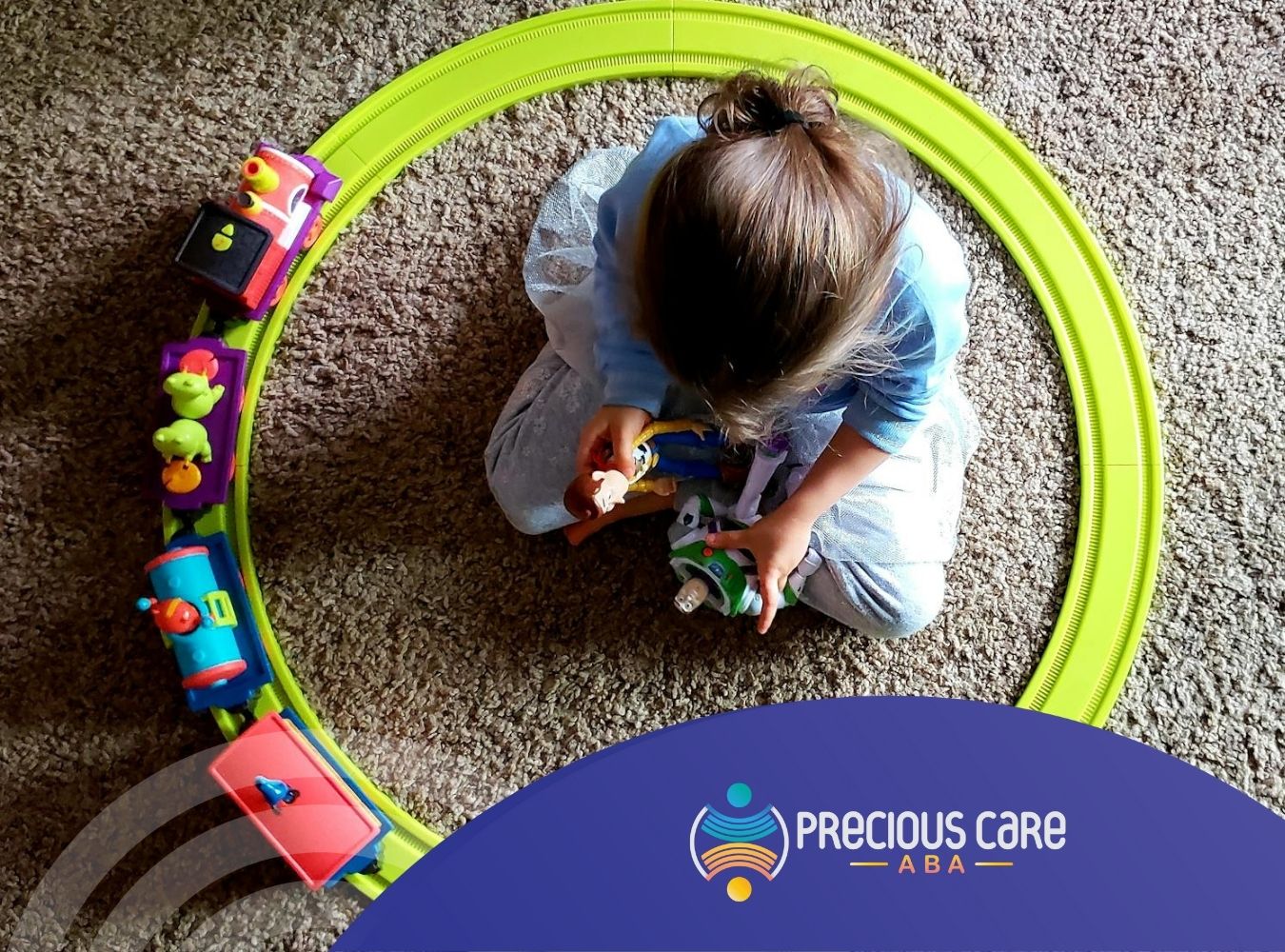
Many autistic individuals are drawn to trains due to their predictable nature and sensory appeal. Trains operate on a fixed schedule and follow a set route, which can provide comfort and stability for those who thrive on routine and structure. The repetitive motion and rhythmic sounds of trains can also have a calming effect, which […]


Are Autistic Kids Very Attached to Their Parents?

Yes, autistic kids can be very attached to their parents, though the way they show it might look different from neurotypical children. Autism affects social communication and expression, so while an autistic child may deeply love and rely on their parents, they might not always show it through typical gestures like hugs, eye contact, or […]

What Does Stimming Mean in Autism?

Stimming refers to repetitive behaviors or movements that are often seen in individuals with autism spectrum disorder (ASD). The term comes from “self-stimulatory behavior” and can include actions such as hand-flapping, rocking back and forth, repeating words or phrases, or making repetitive noises. Stimming serves various purposes for individuals with autism. It can be a […]

How Is High-Functioning Autism Diagnosed?

High-functioning autism refers to individuals with autism spectrum disorder (ASD) who have average or above-average intelligence but still face challenges in social interactions, communication, and behavior. While there’s no specific diagnostic category for “high-functioning autism,” it typically falls under the broader ASD diagnosis. Diagnosing high-functioning autism involves a comprehensive evaluation by a healthcare professional such […]

What is the Difference Between Autism and Sensory Processing Disorder?

Autism and sensory processing disorder (SPD) are distinct conditions, though they share some overlapping traits. Autism spectrum disorder (ASD) is a neurodevelopmental condition that affects communication, social interactions, and behavior. Individuals with autism often exhibit repetitive behaviors and may struggle with social cues and communication. Sensory processing disorder (SPD), on the other hand, refers to […]

Is There a Cure for Autism?

Currently, there is no cure for autism. Autism spectrum disorder (ASD) is a lifelong condition that affects how individuals communicate, interact, and process information. It’s important to understand that autism is not an illness to be cured, but rather a part of a person’s identity. While there is no cure, early intervention and therapies like […]

What Does It Mean to Be “On the Spectrum”?

Being “on the spectrum” refers to being diagnosed with autism spectrum disorder (ASD), a condition that affects how a person thinks, interacts, and processes information. The term “spectrum” highlights the wide range of experiences and challenges that individuals with autism may have. ASD is not a one-size-fits-all diagnosis. People “on the spectrum” may experience a […]

Types of ABA Therapy: Comprehensive ABA vs Focused ABA Comparison

Applied behavior analysis (ABA therapy) is one of the best ways to help behavior change in people who have autism spectrum disorder (ASD). This therapy gives evidence-based plans to improve behaviors. It looks at both behavior and the setting to make clear, simple treatment steps. ABA therapy can help in many areas where children may […]

Do Kids with Autism Get Upset Easily? Understanding Emotional Triggers and Support

Yes, many children with autism can get upset more easily than their neurotypical peers. This often happens due to sensory sensitivities, communication difficulties, or changes in routine—all of which can be overwhelming. Children on the autism spectrum may struggle to express their feelings or understand what’s happening around them. As a result, even small changes, […]